
The First 24 Hours Are Critical
In the confusion that follows a car accident, it is easy to skip steps that later prove essential to an injury claim. Insurance companies and defense attorneys pay close attention to gaps in documentation — gaps that can be used to argue your injuries were pre-existing, minor, or unrelated to the crash. Acting methodically in the immediate aftermath protects both your health and your legal position.
At the Scene
- Call 911. A police report creates an official record of the accident, the vehicles involved, witness identifications, and the responding officer's preliminary observations. Without a report, proving the basic facts of the crash becomes harder.
- Seek medical attention. Adrenaline masks pain. Injuries like soft-tissue damage, concussions, and internal bruising often do not fully present for hours or days. Go to an emergency room or urgent care even if you feel only mildly hurt.
- Document everything you can safely reach. Photograph all vehicles, the road conditions, traffic signals, skid marks, and any visible injuries. If there are witnesses, collect their contact information.
- Exchange information. Get the other driver's name, license number, insurance carrier, and policy number.
In the Days That Follow
Follow all medical instructions and attend every follow-up appointment. Courts and insurance adjusters treat gaps in treatment as evidence that the injury was not serious. Keep a written log of your symptoms, pain levels, missed work days, and any activity limitations — this documentation becomes part of your damages calculation.


What Not to Do
- Do not give a recorded statement to the other driver's insurance company before consulting an attorney. Adjusters are trained to ask questions that can be used to minimize your claim.
- Do not post about the accident or your injuries on social media.
- Do not accept any settlement check before you understand the full extent of your injuries — signing a release typically waives all future claims.
When to Contact a Personal Injury Lawyer
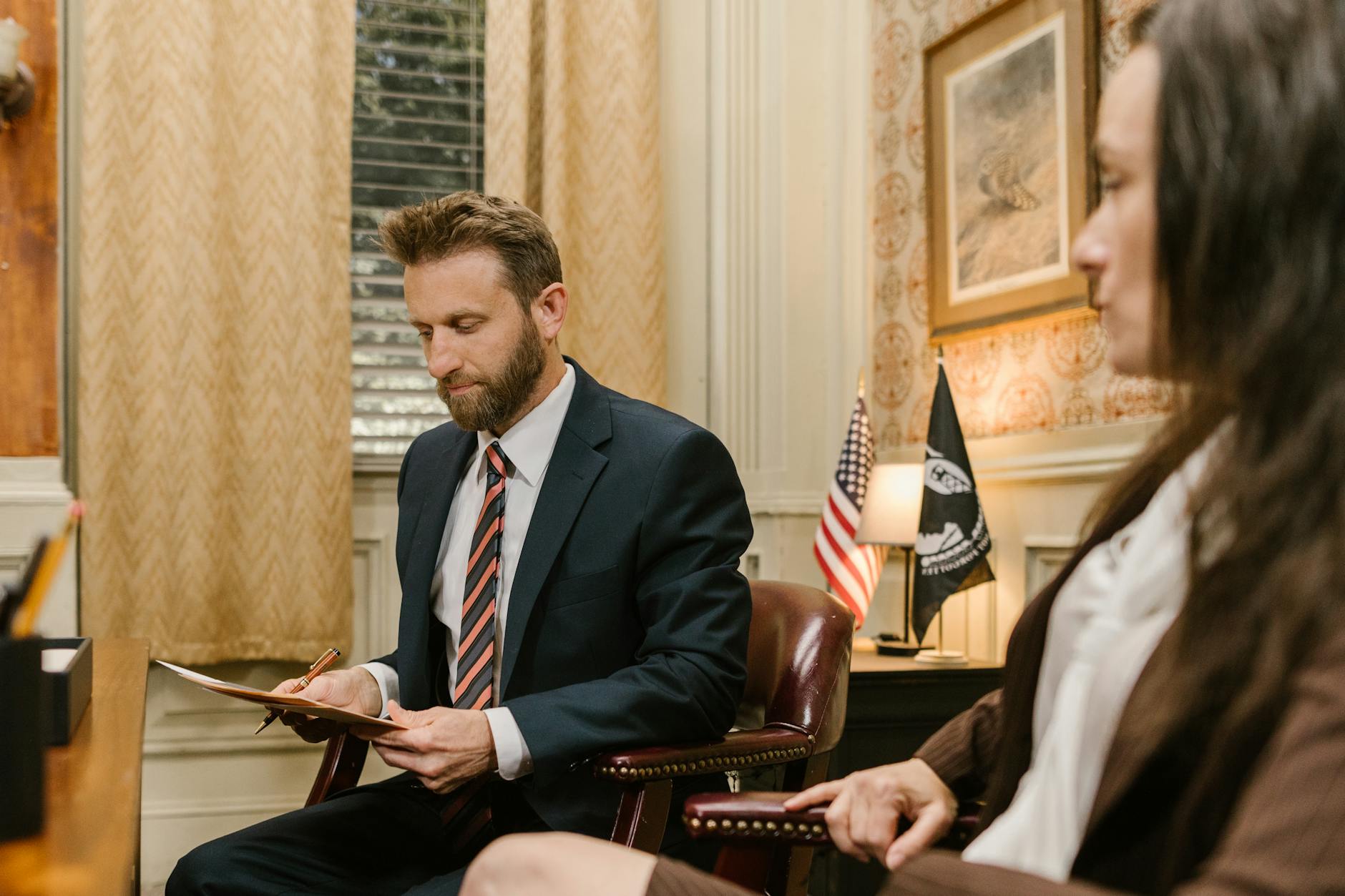
If another driver was at fault and you have any injury beyond the most minor scrape, consulting a personal injury attorney is worth doing before you communicate further with the insurance carrier. Most personal injury lawyers offer free consultations. LawsuitLawyer.ai can match you with a vetted car accident attorney in your state quickly, at no cost to you.